Last month, I set a strict £50 limit for my weekly gaming budget. By the end of the week, I had spent only £42 and still felt satisfied. The trick was simple: allocate a fixed amount, track it in real time, and stop once you hit the ceiling. The result? I avoided the common pitfall of “just one more round” and kept my entertainment costs predictable.
Step‑by‑Step: Setting a Realistic Spending Target
Start by listing all the ways you spend on gaming: subscriptions, micro‑transactions, and occasional paid tournaments. Add the totals and subtract any recurring free credits you receive. The remainder is your discretionary pool. For example, if your monthly spend on subscriptions is £20 and you receive £5 in free credits, set a £15 budget for the rest of the month.
Track in a spreadsheet. A simple Google Sheet with columns for date, game, amount, and notes keeps you accountable.
Use a budgeting app. Many free apps allow you to set category limits and send alerts when you approach the threshold.
Review weekly. At the end of each week, compare planned vs. actual spend. Adjust the next week’s limit if you consistently overshoot or underspend.
The Psychological Edge of Knowing Your Limits
When you know you only have £15 left, the urge to splurge on a random loot box diminishes. Your brain shifts from a “want” mindset to a “need” mindset, prioritising games that offer the best value for the money. In my own experience, I started preferring titles with generous free‑play periods and avoided those that required immediate purchases to progress.
Balancing Fun and Savings: Practical Tips
1. Prioritise free content. Many games offer daily missions that reward in‑game currency. Completing these can reduce the need for real‑money purchases.
2. Set a “spend‑break” rule. After every £10 spent, pause for 10 minutes. This break gives you a chance to assess whether the purchase is worth it.
3. Use cashback or reward points. Some payment methods return a small percentage of your spend. Factoring this into your budget can extend your gaming time without extra cost.
4. Limit impulse buys. If a new item appears on your screen, wait 24 hours before buying. Most promotions expire quickly, so you’ll often find that the item’s value was overstated.
Linking Smart Budgeting to the Wider Gaming Ecosystem
When you manage your budget effectively, you can explore a broader range of games without worrying about overspending. Whether you’re into competitive esports, casual mobile titles, or immersive VR adventures, a clear spending plan lets you test new experiences responsibly. For those looking to dive deeper into online gaming and entertainment, resources like ninewin can offer helpful insights into budgeting strategies tailored to digital play.
Final Thought: The Bottom Line
Smart budgeting isn’t about cutting fun; it’s about creating a sustainable, enjoyable gaming routine. By setting a clear limit, tracking spend, and applying practical rules, you keep your wallet healthy while still enjoying the thrill of the game. Try the £50 weekly test next month and see how much more you can enjoy without the stress of overspending.
Frequently Asked Questions
What is a gaming budget plan?
It’s a set spending limit for all gaming-related expenses, like subscriptions and micro‑transactions, to keep costs predictable.
How do I set a realistic budget?
List all gaming costs, add a little extra for surprises, and choose a number you’re comfortable with.
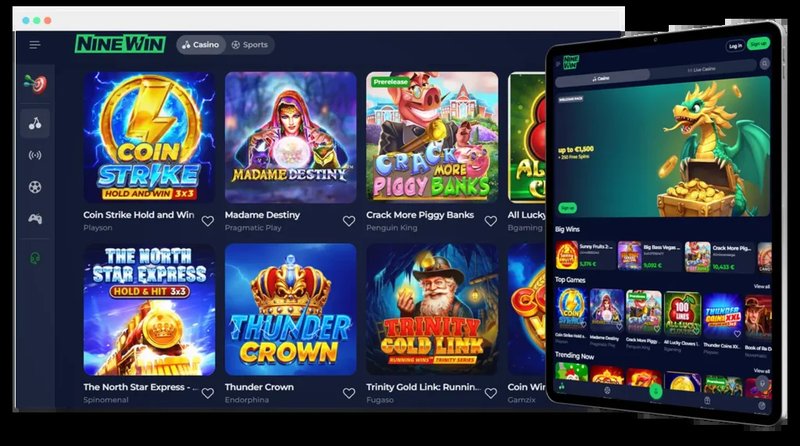
nine win — If you’re new to online gambling, the first hurdle is usually finding a site that feels trustworthy and offers clear, useful bonuses. NineWin Casino, or nine win as some call it, is one of the UK‑based platforms that has managed to stand out.
nine win — When I first heard about NineWin Casino, the headline that stuck was the £100 welcome offer that doubles when you use the code ninewin bonus code . That figure was enough to make me curious, but the real test was whether the platform lived up to the promise.
If you want to see a 50% welcome bonus on a deposit of £200 and a 30‑day free spin on the top slot, NineWin Casino is where you’ll be. The site promises a 24‑hour payout window for Skrill and a 48‑hour window for bank transfers, which is faster than many UK operators.
nine win — London’s weather can be fickle, but the city’s rooftops stay constant. On a weekend, a bar perched above the Thames turns a simple night out into a visual escape.
lolajack casino in United Kingdom. After a marathon of raids or a weekend of competitive matches, my mind craves a different kind of loot: fresh air, a new skyline, and a chance to swap a controller for a walking stick. I’ve tried three different UK spots in the last six months, and each gave me...
nine win in United Kingdom. I’m convinced that the best way to unwind after a hectic week is to slip into a place that feels like a secret, not a tourist hotspot. In London, the hidden bar scene delivers exactly that: a dimly lit room behind an unassuming door, a cocktail crafted by a bartender who...
millioner casino in Netherland. In 2016 was de prijs van een consumer‑VR‑headset nog rond de €600, en de meeste gamers zagen het als een niche‑hobby. Tien jaar later betaal je voor een Meta Quest 2 gemiddeld €350 en kun je binnen een uur een volledige spelwereld betreden.
NineWin Casino is an online gambling platform that targets the UK market. It operates under a licence from the Curacao eGaming Authority, which means the site must adhere to basic standards for fairness and security, but it does not carry a UK Gambling Commission licence. nine win.
nine win — Most UK players hit a snag when they finally find a casino that actually lets them claim the welcome bonus without a maze of verification steps. NineWin Casino promises a 100% match up to £200 plus 50 free spins, but the real question is whether the process lives up to the hype.
nine win — Most players assume “bonus code” means a vague free‑play promise, but NineWin Casino actually delivers a 150% match on the first £100 deposit when you enter the ninewin bonus code . In practice that translates to an extra £150 credit, which can be used on slots or table games after a...
In March 2024 Sony launched its PlayStation Cloud service on the PlayStation 5, promising a library of 300 titles that can be streamed at 60 fps on a 4K‑capable TV. The first‑month free trial lasted exactly 30 days, after which the subscription costs £14.99 a month.
nine win in United Kingdom. With the hustle and bustle of modern life, it's easy to let your weekends blend together into a blur of routine. But what if you could transform your downtime into a rejuvenating oasis, where you can unwind and rediscover your sense of calm?