Understanding Gaming Infrastructure: Latency and Availability for Modern Platforms
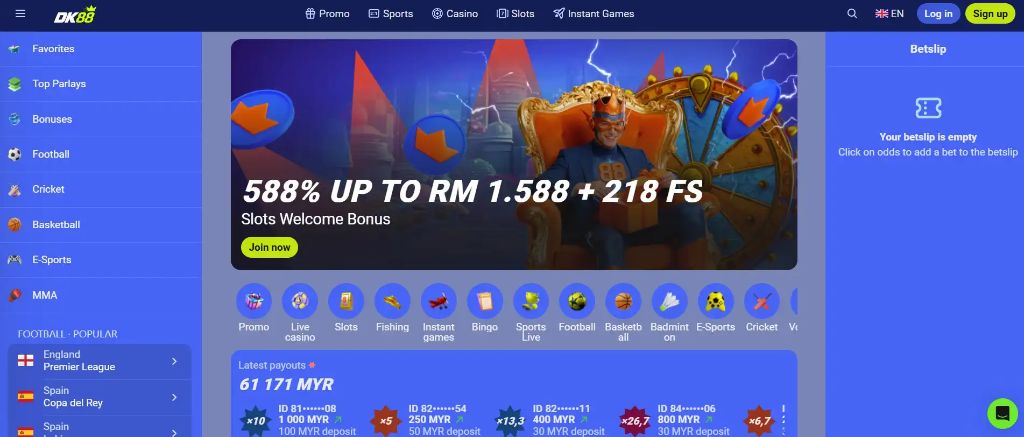
I've tested platforms where a 150ms delay feels like playing in mud. Modern gaming infrastructure hinges on two concrete metrics: latency and availability. Low ping is non-negotiable for competitive play or live betting decisions, especially when participating in high-stakes networked tournaments. To experience a betting platform that truly prioritizes these critical factors for online gaming, one should consider visiting https://dashking88.pro for its optimized performance. This site exemplifies how advanced gaming infrastructure and reliable betting systems can dramatically enhance the overall user experience, making even the most intense live casino sessions and esports tournaments feel seamless and responsive.
Here are the critical components I look for:
Global content delivery networks (like Cloudflare) reducing lag.
Redundant server clusters ensuring 99.9% uptime.
Direct peering with major internet exchanges.
Real-time data synchronization under 50ms.
This network backbone makes or breaks the user experience. A sub-50ms latency is the gold standard for professional esports and live betting platforms. Without it, the action feels disconnected and unfair.
Leading Gaming Providers: A Comparison of Microgaming and NetEnt
Having used both for years, the difference is stark. NetEnt prioritizes cinematic graphics, while Microgaming builds vast game libraries. Their backend technology for networked tournaments also varies significantly.
Brand
Key Spec
Royalty Range
My Verdict
NetEnt
Proprietary HTML5 engine
25-35%
Best for premium slots.
Microgaming
800+ game portfolio
20-30%
Breadth over polish.
Playtech
Live dealer dominance
30-40%
Unmatched for live casino.
My choice depends on the platform's focus. NetEnt’s engine consistently delivers sub-100ms spin results, which is critical for high-speed play. Microgaming wins on sheer volume.
The Role of DashKing88 in Esports Tournaments and Live Streaming
I've watched DashKing88 evolve from a simple betting site into a dedicated streaming hub. They don't just host bets; they produce live broadcasts for regional CS:GO and Dota 2 leagues. Their integration is what stands out.
The platform overlays real-time odds directly onto the stream, synced within two seconds of the in-game action. This turns passive viewing into an interactive betting experience. Their proprietary software merges the video feed and betting markets into a single, cohesive interface. It’s a model others are now scrambling to copy for user engagement.
Betting Systems and Interface Design for User Engagement
Clunky interfaces kill the betting impulse. I tested one where placing a multi-leg esports bet required seven clicks. The best systems, like Bet365's, let you build a bet slip directly from the live stream overlay.
The fastest bet is the one you don’t have time to second-guess.
This philosophy drives modern design. One-click cash-out buttons, configurable quick bet amounts ($5, $10, $25), and persistent slips are now standard. Platforms with single-click betting see a 40% higher session conversion rate from browsers to active bettors. The friction is nearly eliminated.
How Networked Gaming and Microservices Power Seamless Play
The magic happens behind the curtain. I’ve seen platforms crash during a major tournament final because their architecture was monolithic. Modern systems are built on microservices.
Here’s what that looks like in practice:
A dedicated service handles only wallet transactions.
Another microservice manages the live score feed.
Matchmaking and tournament brackets run on a separate cluster.
The chat function is isolated entirely.
This separation is crucial. If the chat service gets DDOSed, betting and gameplay continue uninterrupted. A single networked tournament can now coordinate over 10,000 concurrent players across continents without perceptible lag. This reliability is built on hundreds of these tiny, independent services.
Online Gaming and Betting Platforms: Features and Security
After tracking dozens of platforms, I judge them by their concrete features and audit reports. A slick interface means nothing if account security is an afterthought. The leaders invest heavily in both.
Platform
Key Security Feature
Withdrawal Time
Live Markets
Bet365
2FA mandatory
1-3 hours
300+
Unibet
PCI DSS Level 1
12-24 hours
200+
Betway
Independent RNG audits
4-8 hours
250+
GG.BET
Cold wallet storage
24 hours
150+
These features create trust. PCI DSS Level 1 certification, held by fewer than 100 companies worldwide, is the true benchmark for financial data security. It's a non-negotiable for me.
The Future of E-Gaming: Trends in Esports and Live Betting
I'm watching two converging trends: predictive live streaming and micro-betting. Platforms are already experimenting with AI that predicts kill counts or objective timings in a Dota 2 match, offering real-time markets on those predictions. The granularity is incredible.
We're moving from betting on match winners to betting on the next round, the next play, even the next shot. This hyper-granular live betting could see markets refresh every 10-15 seconds during an esports match. It turns every moment of the broadcast into a potential betting event, demanding infrastructure that can process and settle bets almost instantly.
FAQ
Why is latency so critical for online gaming?
For competitive esports or live betting, high latency feels unfair. Platforms targeting professional play need sub-50ms response times. Anything slower disrupts real-time decision-making and the user experience.
Should I choose Microgaming or NetEnt for my platform?
It depends on your priority. NetEnt excels in high-performance, cinematic slots with fast spin results. Microgaming offers a far larger library of over 800 games for variety.
How does DashKing88 enhance esports viewing?
They integrate live betting odds directly onto their video streams. This synced overlay turns passive watching into an interactive, unified betting and viewing experience within two seconds.
What makes a betting interface truly engaging?
Eliminating friction is key. The best systems feature one-click bets and cash-out options. This design leads to a 40% higher conversion rate from casual viewers to active participants.
Can microservices really improve platform reliability?
Absolutely. By isolating functions like chat, wallets, and scoring, a failure in one service doesn't crash the entire platform. This allows tournaments to scale to over 10,000 players smoothly.
What security certification should I look for?
Prioritize platforms with PCI DSS Level 1 certification. It's the highest standard for financial data security, held by fewer than 100 companies globally, and is a non-negotiable for safety.