The Nature of Risk in Gaming
In casino gaming, risk plays a pivotal role in shaping player behavior and decision-making. At its core, risk involves the potential for loss or failure, and players are often drawn to this uncertainty, especially when they seek the best online pokies australia payid options available. The thrill of gambling hinges on the balance between risk and reward. When players engage in games of chance, they face the inherent unpredictability of outcomes, which triggers psychological responses that can lead to both excitement and anxiety. For many, this duality creates an addictive allure that keeps them returning to the gaming floor.
Furthermore, individual perceptions of risk can vary widely, influenced by personal experiences and psychological traits. Some players thrive on high-risk games, like poker or roulette, where large bets can yield substantial payoffs. Others may prefer lower-risk options, such as slot machines, where the stakes are more controlled. This disparity in risk tolerance illustrates how psychological factors, including optimism bias and risk-seeking behavior, shape gambling choices. Understanding these dynamics is crucial for both players and casino operators looking to foster a responsible gaming environment.
The interplay of emotions—excitement, fear, hope—also amplifies the perception of risk in casino gambling. Players often experience a rush during gameplay, driven by the adrenaline of potential winnings or the dread of losses. Such emotional highs and lows can cloud judgment, often leading individuals to make irrational decisions. This phenomenon, known as the “gambler’s fallacy,” occurs when players believe that past outcomes will influence future results, such as thinking a losing streak must be followed by a win. In this way, the excitement surrounding risk can create a cycle that perpetuates gambling behavior.
Psychological Profiles of Casino Gamblers
The psychology behind gambling behaviors can often be categorized into specific profiles based on individual motivations and experiences. For instance, thrill-seekers tend to gravitate toward high-stakes games, driven by the excitement of risk and the potential for significant returns. These individuals often view gambling as a form of entertainment rather than a financial commitment. Their desire for adrenaline and new experiences can lead to a cycle of repetitive play, reinforcing their engagement with high-risk scenarios.
Conversely, more cautious players may approach casino games with a strategic mindset. These gamblers often prioritize games that involve skill, such as poker, where their decisions can impact the outcome. This psychological profile emphasizes control and calculated risk over chance, resulting in a more temperate gambling experience. Such players often analyze patterns and employ strategies to enhance their odds, contrasting sharply with the more impulsive players who dive into games without a plan.

Additionally, social elements significantly influence gambling psychology. Many individuals gamble in groups, seeking camaraderie and shared experiences, which can further amplify risk perceptions. The social aspect encourages a communal approach to risk-taking, where the excitement of a group can lead individuals to take bolder actions than they might alone. This collective risk behavior not only enhances the thrill of gaming but also creates bonds among players, complicating the psychological landscape of casino gaming.
The Role of Emotion in Gambling Decisions
Emotions are a fundamental driver behind gambling decisions, profoundly impacting how players assess risk and make choices. Positive emotions, such as happiness and excitement when winning, can reinforce the desire to gamble. Players often attribute wins to skill or strategy, further motivating continued play. Conversely, negative emotions stemming from losses—like frustration or despair—can lead to a heightened sense of urgency to recover losses, prompting players to engage in riskier behavior than they typically would.
This emotional rollercoaster is amplified by the environment of a casino, designed to evoke excitement and stimulate the senses. The sounds of slot machines, the bright lights, and the buzzing atmosphere all contribute to a heightened emotional state, making it easy to overlook the risks involved in gambling. Such sensory stimulation can create an immersive experience that overrides rational thought, leading to impulsive decisions and increased wager amounts. Players may find themselves caught in a cycle, where the thrill of the environment encourages further gambling, despite a growing awareness of potential loss.
Moreover, recent research highlights the significance of anticipatory emotions—feelings experienced before an event—when it comes to gambling. The anticipation of a win can lead players to feel exhilarated even before placing a bet, further embedding them in a cycle of risk-taking behavior. Understanding the deep emotional ties players have with gambling can provide insight into why some individuals struggle with responsible gambling practices and why casinos must implement measures to promote awareness and moderation.
The Impact of Cognitive Biases on Risk Assessment
Cognitive biases play an essential role in how gamblers perceive and approach risks in a casino setting. One notable bias is the overconfidence effect, where players believe they have more control over outcomes than they actually do. This belief can lead individuals to take greater risks, convinced that their luck or skill will prevail. Such overestimation of control is often evident in games that combine chance with skill, like poker, where players might misinterpret their past successes as indicators of future performance.
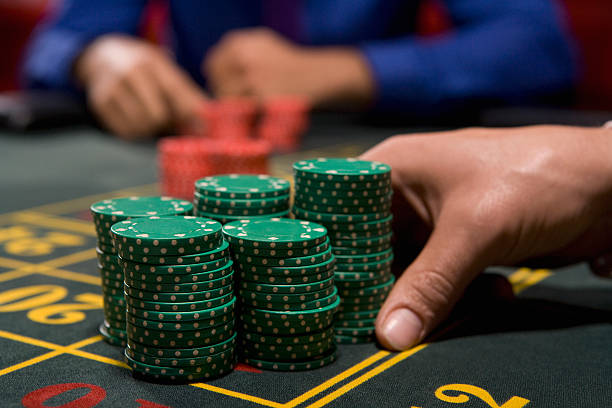
Additionally, the illusion of control can also manifest in betting patterns, where players may assume they can influence random outcomes through specific behaviors or rituals. This perception often leads to a greater willingness to take risks, as players feel empowered in their decision-making. However, this cognitive distortion can further entrench individuals in a cycle of gambling, as they seek validation for their beliefs through continued play, regardless of actual probabilities.
Another common cognitive bias is the confirmation bias, where individuals only acknowledge information that supports their pre-existing beliefs about gambling. For instance, a player may focus solely on their winnings while ignoring losses, fostering a misleading sense of competence. This biased perspective reinforces the idea that risk-taking is a viable strategy, ultimately perpetuating gambling behaviors. Recognizing these cognitive biases is crucial for developing responsible gambling strategies and educating players about the realities of risk in casino gaming.
Responsible Gaming and Casino Environments
As the understanding of risk psychology in casino gaming advances, the importance of responsible gaming practices becomes increasingly apparent. Casinos have a critical role in promoting awareness and encouraging behaviors that mitigate the potential for gambling addiction. Implementing measures such as self-exclusion programs, betting limits, and transparency about odds can help inform players and create a safer gaming environment. By prioritizing responsible gaming initiatives, casinos can contribute to a healthier approach to risk, fostering positive experiences rather than detrimental ones.
Moreover, integrating educational resources that address the psychological aspects of gambling can empower players to make informed decisions. Workshops, informational brochures, and interactive campaigns can raise awareness about cognitive biases and emotional influences in gambling behavior. Such initiatives can bridge the gap between entertainment and responsibility, ensuring that players comprehend the risks involved in their gaming choices.
In conclusion, the exploration of risk psychology in casino gaming is multifaceted, encompassing emotional influences, cognitive biases, and individual player profiles. As the gaming landscape evolves, it is essential for operators to adopt strategies that emphasize responsible gaming. By fostering an environment where risk is understood and managed effectively, casinos can contribute to a more sustainable gaming experience that prioritizes player well-being while still providing enjoyment and excitement.